



Churchill: Conviction Can Change Outcome
Posted: April 20, 2026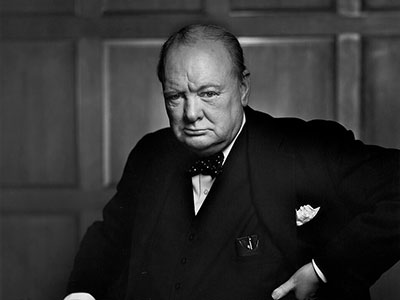
In 1940, Churchill became Britain’s leader amid a crisis. France was collapsing, Nazi Germany ruled much of Europe, and invasion seemed likely. Churchill did not promise an easy victory but showed conviction that endurance could change the outcome.
Building on this, his speeches—especially “We Shall Fight on the Beaches”—faced danger head-on. They acknowledged the threat, yet declared Britain would prevail through sheer determination and unity. Historians note this unwavering stance sustained public morale (Roberts, 2018). Churchill understood crisis leadership means channeling fear into purpose, not erasing it.
This approach epitomizes the HERO Mindset™: Hope, Efficacy, Resilience, Optimism. Hope envisions survival when defeat appears certain. Efficacy drives belief in the impact of one’s actions. Resilience fuels progress through adversity. Optimism maintains belief until momentum turns. United, these forces convert uncertainty into strength.
Most people wait for certainty before acting. Churchill acted without it. Leaders who use the HERO Mindset™ know that belief can come before victory. History rewards those who endure, not those who wait for perfect conditions.
Categorized in: The Hero Mindset